Proven Urethane Cement Flooring In Minnesota
Urethane Cement Floors for Plants That Wash Down Every Shift
Urethane cement flooring is the floor we recommend when hot water, steam, organic acids, and daily sanitation hit the same slab. Food lines, beverage plants, and commercial kitchens punish concrete. One shift in those rooms does more damage than a month in most warehouses. Standard epoxy softens and lifts under that heat cycling. Urethane cement moves with the slab and keeps its bond. It just works.
The Concrete Guy installs urethane cement flooring in Minnesota plants, breweries, and commissaries. We test the slab, write a specification, and grind the concrete to the right profile. Then we phase the work so your line keeps running while we are on site. Plant managers get a floor that survives wash-downs for years. They also get a contractor who picks up the phone, shows up when we say we will, and stays on the job until the last room is back in use.
What Makes Urethane Cement Different From Epoxy
Urethane cement goes by a few names. Some specs call it cementitious urethane, and others call it urethane mortar. The material blends a urethane resin with cement and fine aggregate. Once cured, it expands and contracts at nearly the same rate as the concrete under it. That is why it lives through the hot and cold swings that would crack or lift an epoxy floor in a few months.
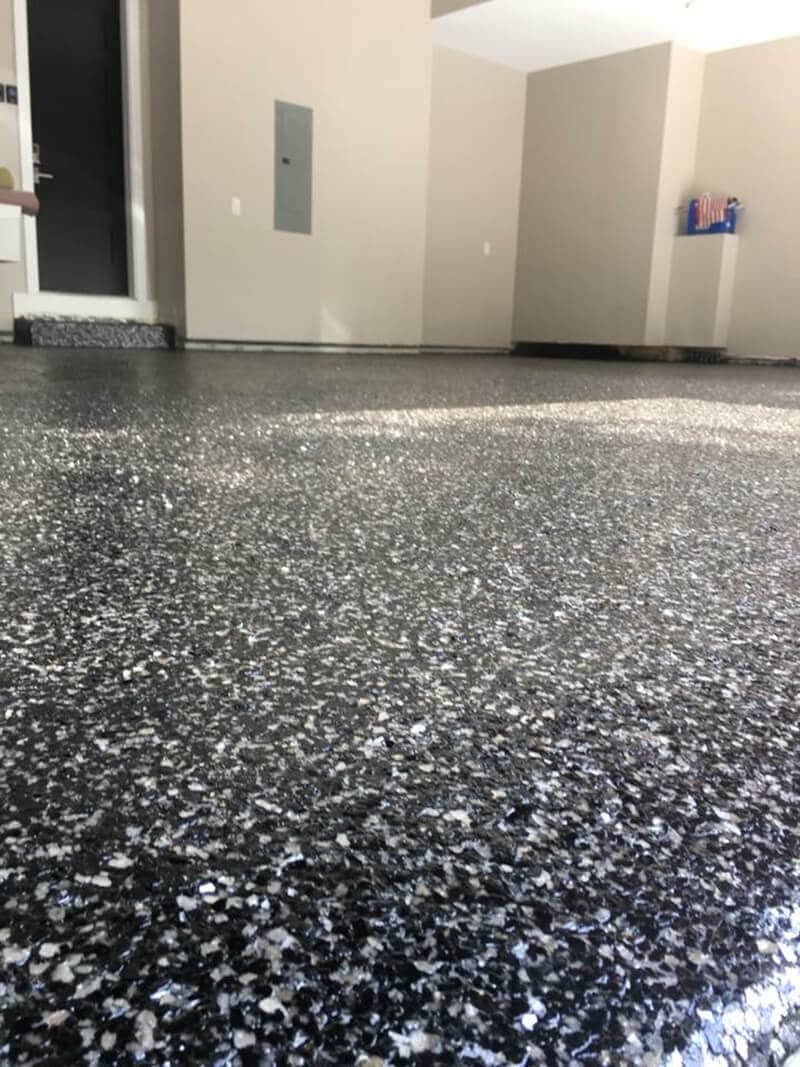
A typical system goes down in three layers. A primer or scratch coat seals the prepared slab. A troweled or self-leveling body coat builds the thickness. Light areas get about three sixteenths of an inch. Heavy processing rooms get up to three eighths. A broadcast of quartz or colored aggregate and a chemical-resistant topcoat finish the floor.
The result has no joints and a dense surface. It tolerates steam cleaning, caustic sanitizers, lactic and citric acids, animal fats, sugars, and hot oil. It also handles dropped kegs, pallet jacks, and racks. Abuse is normal here. An integral cove base lets your walls and floor clean as one surface.
A Plant Floor Partner With Statewide And National Reach
Our commercial crews install resinous floors in plants, kitchens, and warehouses every week. A written specification, a cure schedule, and one point of contact come standard on every urethane cement job.
We own the full scope under one contract. That covers removal, slab testing, and moisture mitigation. It also covers grinding, cove base, drains, and the finished urethane cement floor.
Operators with several plants can run the same floor at every site. Our Edina team travels across Minnesota and the country, so a matched system goes down at each location.
Why Food And Beverage Plants Choose Urethane Cement
Urethane cement survives boiling water and steam
Moves with the slab under thermal shock
Resists lactic, citric, and other organic acids
Stands up to fats, oils, sugars, and blood
Joint-free surface with no grout to trap bacteria
Integral cove base for easy sanitation
Built-in slope to floor and trench drains
Textured topcoats for grip on wet floors
Urethane floors install in coolers and freezers
A plant floor that takes impact from kegs and racks
Fast return to service with phased installs
Low-odor products for occupied buildings

Urethane Cement Flooring Built Around Minnesota Production Schedules
The Concrete Guy plans every urethane cement floor around the hours your plant actually runs. Food and beverage plants rarely shut down for a full week. We work nights, weekends, and planned maintenance windows. Large floors get split into sections so sanitation and production continue.
Low-odor materials and dust-controlled grinding keep nearby rooms usable while we work. Most urethane cement floors accept foot traffic within 12 to 24 hours. Full wet service usually follows within 48 to 72 hours, so most plants lose only a weekend or one planned shutdown. Your sanitation team gets a clear return date for every room.
What Plant And Facility Managers Say About Our Crews


Where Urethane Cement Flooring Performs Best

Meat And Poultry Processing
Blood, fat, and constant hot water wash-downs break down thin coatings fast. Urethane cement with cove base and slopes to drain gives processing rooms a surface that cleans fully every shift.

Dairies And Cheese Plants
Lactic acid and hot sanitizers eat into concrete and epoxy alike. A heavy-duty urethane mortar holds up under both and keeps the floor easy to inspect and clean.

Breweries And Distilleries
Spent grain, caustic tank cleaners, and floors that never fully dry need a resin built for wet heat. We detail urethane cement around tanks, trench drains, and keg washers.

Bakeries And Snack Producers
Sugar, flour, and oven heat stress a floor in different ways. Urethane cement resists both the abrasion and the hot spills that come with high-volume baking lines.

Commissaries And Central Kitchens
Large kitchens that feed many sites run hot and wet for long hours. We pair urethane cement on the cook lines with quartz epoxy in dry storage.

Cold Storage And Freezer Rooms
Low-temperature cure formulas let us install in coolers and freezers. We plan pull-downs and product moves with your team so inventory stays safe. Most cold rooms stay below freezing for the whole job.
Urethane Cement Flooring Systems We Install
Every plant needs a different build. We match the thickness, texture, and topcoat to your loads, temperatures, and cleaning routine after a slab moisture test. The options below cover most food, beverage, and wash-down spaces.

Our Urethane Cement Installation Process
Every project starts with a site walk. We review the operation, the chemicals in use, the cleaning routine, and the drain layout. Then we test the slab for moisture and hardness. The written spec covers the system build, thickness, texture, and cure times.
Prep is always mechanical. No shortcuts. We shot blast or diamond grind the concrete to the profile the manufacturer requires. Failed coatings come off, and joints, cracks, and spalls get compatible fillers. Where drains and trenches exist, we detail the edges so the new floor ends cleanly.
Installation follows the spec layer by layer. Cove base goes in at the walls, slopes go in at the drains, and the topcoat locks in the grip level your safety program requires. On large plants we phase the work so one room returns to production while we prepare the next.
Recent Plant, Kitchen, And Commercial Floor Projects
Urethane Cement Flooring FAQs
How does urethane cement compare to epoxy in a wet plant?
Urethane cement outlasts epoxy in hot, wet rooms. Epoxy works well in dry spaces with steady temperatures, but hot water and steam make it soften, blister, and release from the slab over time. Urethane cement moves with the concrete under thermal shock, resists organic acids and fats, and keeps its bond through daily wash-downs.
How thick should a urethane cement floor be?
Thickness depends on the loads and exposures in the room. Light-duty areas use a self-leveling system around three sixteenths of an inch. Heavy processing floors with impact, hot spills, and forklift traffic use a troweled mortar between a quarter inch and three eighths of an inch. We set the thickness after we walk your plant, look at what rolls and drops on the floor, and see how hot the water gets at each station.
Can urethane cement go into a cooler or freezer?
Yes. Low-temperature cure formulas allow installs in coolers and freezers. The cured floor also handles freeze and thaw cycles. We coordinate temperature pull-downs and product moves with your team so inventory stays protected during the install.
How long does installation take, and when can production resume?
A 5,000 square foot processing area usually takes three to five working days, including prep. Foot traffic can return within 24 hours of the topcoat, and full wet service follows within 48 to 72 hours. On larger plants we phase the rooms so each one returns to production in sequence.
Does a urethane cement floor help with food safety inspections?
It helps a great deal. The floor has no seams, it does not absorb liquids, and it is easy to sanitize. Integral cove base and slopes to drain remove the corners and low spots where bacteria collect. We supply manufacturer data sheets for your compliance records.
A Fourth-Generation Concrete Family Serving Minnesota Plants
I am Matt Hage, owner of The Concrete Guy. My family has worked Minnesota concrete since 1920, and that history matters most on floors like these. Urethane cement only performs when the slab beneath it is sound, dry enough, and well profiled. We serve plants across the Twin Cities. That includes Minneapolis, Saint Paul, Eagan, Burnsville, and Lakeville. We also travel for projects nationwide.
See how urethane cement fits a full commercial kitchen flooring plan. Compare it with industrial epoxy floors, or request a plant walkthrough today.