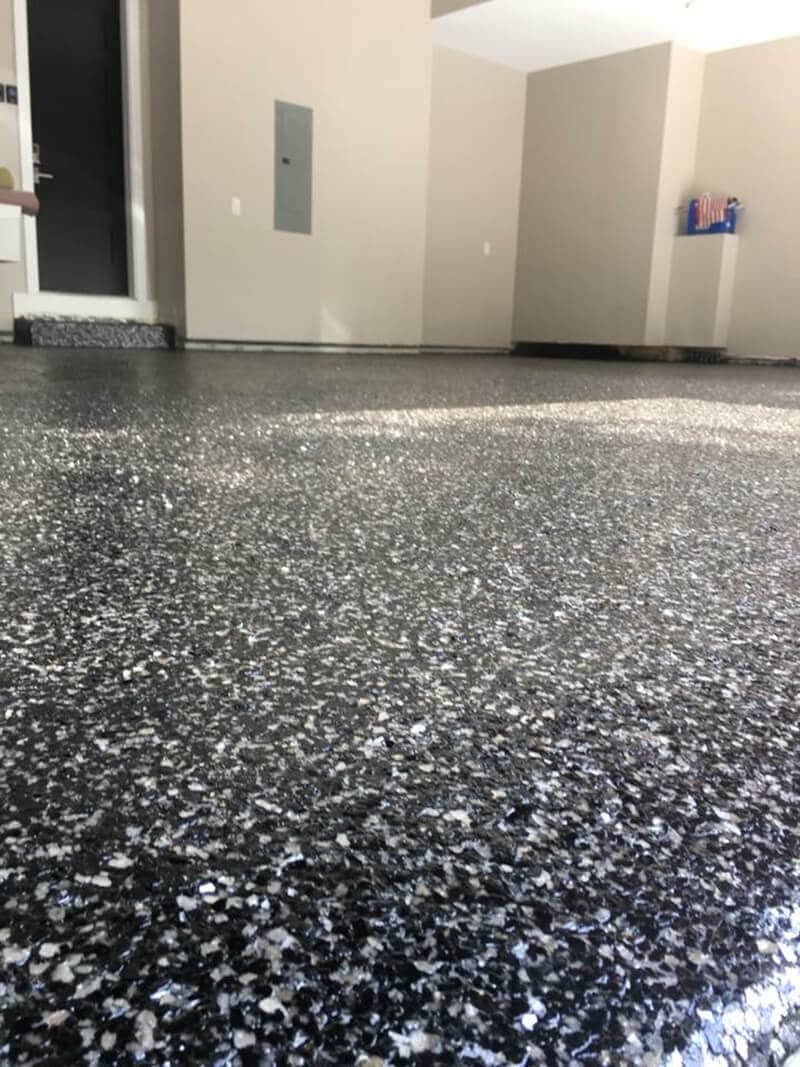
Professional Concrete Staining In Minnesota
Custom Color Built Into The Concrete You Already Have
Stain changes the concrete itself instead of covering it. Acid stains react with minerals in the slab to create mottled, natural tones. Water-based dyes deliver steady designer colors in almost any shade. Neither one can peel or chip. Ever. The sealer on top decides how the floor handles traffic, spills, and weather.
The Concrete Guy delivers concrete staining in Minnesota for restaurants, taprooms, and stores. Offices, lobbies, and showrooms call us too. We also stain patios, driveways, and interior floors for Twin Cities homeowners. We sample colors on your slab, grind the surface, and seal the finished floor with a product matched to the space.
Acid Stain Versus Water-Based Dye
Acid stains are the oldest option. They are still the most distinctive one we offer, and they give each floor a pattern that no other room in the city will ever share. Metallic salts in a mild acid react with the lime in the concrete. The result is earth tones in browns, tans, terracottas, greens, and blues that shift across the slab. No two acid-stained floors match. That is why restaurants and breweries love them, since the floor looks like it has been part of the room for a hundred years.
Water-based dyes soak into the surface and give even, predictable color in almost any hue. They cover the grays, charcoals, and bold tones acid stains cannot produce. They are the right choice for brand-matched retail floors, offices, and chains that need the same look at every site.
Dyes also pair well with polishing, which gives a floor both color and a hard, low-maintenance surface. We bring sample boards and test both options on your concrete first. Age, finish, and past treatments all change the result.
Decorative Floors With Commercial Durability
Stain only takes evenly on clean, open concrete. We grind or chemically prepare every slab, remove old sealers and curing compounds, and repair cracks before any color goes down.
We test the actual colors on your concrete, in your light, and agree on the direction before install day. Brand palettes get matched on site. No catalogs.
The sealers and topcoats on our stained floors are the same ones we use in plants and warehouses. Your floor handles carts, chairs, spills, and daily cleaning with ease.
Why Businesses Choose Stained Concrete
Stained color that never peels or chips
A custom look from your existing slab
Brand-matched dye colors on request
The same formula at every location
Concrete staining costs less than tile or stone
No grout lines to clean
Pairs with polishing for durability
Traction additives for wet entries
Interior and exterior systems
Dye and stain hide old discoloration
Quick installs with short closures
Lasts as long as the slab with care

Concrete Staining For Restaurants, Retail, And Offices
The Concrete Guy has worked Minnesota concrete for four generations. We can tell when a slab will take acid stain well and when a dye is the safer choice. We also know when an overlay should go in first to give the color an even base.
Most commercial staining happens between closing time and opening time or during a short build-out window. We prep, stain, and seal in sections so your business keeps moving. New build-outs can be stained before fixtures arrive.
What Owners Say About Their Stained Floors


Where Stained And Sealed Concrete Works Best

Restaurants And Taprooms
Acid stain gives dining rooms and taprooms a warm, aged look. A satin sealer with traction additive keeps it safe near the bar. It hides wear well in busy rooms.

Retail Stores And Boutiques
Dyed concrete matches brand colors and handles carts and foot traffic. Chains can repeat the same formula at every store. We document the formula for each site.

Offices And Loft Conversions
Many converted warehouses in Minneapolis and Saint Paul hide great concrete under old carpet. Stain turns it into a feature floor. The old character of the slab becomes part of the design.

Lobbies And Showrooms
Dye paired with polishing gives lobbies a rich color and a reflective shine that stays bright with simple care. It is one of the toughest decorative floors we install.

Patios, Walkways, And Entries
Exterior stain hides discoloration and ties into the building colors. Breathable sealers protect against salt and frost. We schedule exterior work for dry, mild weather to get the best result.

Basements And Living Spaces
Homeowners use stained concrete in basements, sunrooms, and great rooms as a durable alternative to carpet and laminate. A sealed floor also handles pets, spills, and kids with ease.
Sealing Options For Stained Concrete
Stain protects nothing on its own. Sealer does all of that work, so we choose it as carefully as the color. Plain warehouse slabs, parking areas, loading docks, and walkways also need a sealer to stop dusting and repel oil and deicers. Read more about stained concrete in restaurants.

How We Stain And Seal A Commercial Floor
We start with a site visit and color samples on your concrete. Once you approve the direction, we grind or prepare the slab, remove old sealers, and repair cracks. We also check for moisture and old patches.
Stain or dye goes on in layers until the color matches the sample. Acid stain needs time to react, then a careful neutralizing rinse. Dyes dry faster and can go straight into a polishing sequence.
Last comes the sealer, chosen for your traffic and exposure. Interior floors usually return to light use the next day. Most rooms reopen fast. You get a care sheet and a resealing schedule so the color stays rich for years.
Recent Stained And Decorative Concrete Projects
Concrete Staining FAQs
How long does stained concrete last?
The color is permanent because stain soaks into the concrete rather than coating it. Durability comes from the sealer. Interior commercial floors last several years before a refresh, and exterior slabs need resealing every two to three years. With that care, a stained floor lasts as long as the slab, which in most commercial buildings means many decades of daily use.
Can old or previously coated concrete be stained?
Usually, yes. It depends on what is on the slab now and how much we can grind away without changing the surface. We remove old sealers and coatings first and check patched areas during sampling. Heavily patched slabs may stain unevenly, so we sometimes suggest a dyed overlay instead.
Is stained concrete slippery?
It can be when a high-gloss sealer gets wet. For entries, restaurants, and exterior slabs, we add a fine traction additive to the sealer or use a satin finish. The floor stays safe underfoot without losing its look.
Do you stain exterior concrete in Minnesota?
Yes. We stain and seal driveways, patios, walkways, and pool decks with products rated for UV and freeze and thaw. We schedule exterior work for suitable temperatures and give you a resealing schedule.
What is the difference between staining and polishing?
Staining adds color and relies on a sealer for protection. Polishing grinds and densifies the slab for a hard, reflective surface. They combine well, and dyed polished concrete is one of the toughest decorative floors for retail and hospitality spaces.
Decorative Concrete Backed By Four Generations
I am Matt Hage, owner of The Concrete Guy. My family has worked Minnesota concrete since 1920, and that history helps us predict how each slab will take color. We stain floors across the metro. That includes Saint Paul, Minneapolis, Wayzata, Lakeville, and Maple Grove. We also travel for projects nationwide.
Browse epoxy flooring and polished concrete, or request a staining quote today.