
How Long Will Epoxy Garage Floor Last with Different Materials

The lifespan of epoxy garage floors is 5-20 years, depending on the epoxy material, epoxy type, and quality of installation and maintenance. Epoxy flooring is a type of resinous flooring that consists of a mixture of epoxy resin and a hardener. When these two components are combined, they undergo a chemical reaction that forms a […]
Types of Concrete Surface Finishes

The different types of concrete surface finishes include smooth concrete, textured concrete, and decorative concrete finishes. As you start your concrete resurfacing project, it’s important to understand these types of finishes available. Smooth finishes, such as trowel, burnished, and polished concrete, provide a clean, modern aesthetic that’s easy to maintain. On the other hand, textured […]
Pros and Cons of Garage Epoxy Floor

Garage floors are important in the overall functionality and appearance of your garage space. When it comes to choosing the right flooring option, epoxy floors have emerged as a popular choice among homeowners. Epoxy is a durable, resin-based coating that can be applied to concrete surfaces, transforming your garage floor into a polished and long-lasting […]
What are the best materials to resurface concrete?

Concrete resurfacing can breathe new life into your floors, patios, driveways, and other concrete areas, but with so many exterior concrete resurfacing options available, it can be challenging to know where to start. The best materials to resurface concrete include acrylic overlays, epoxy coatings, cementitious resurfacers, decorative overlays, and polyurethane toppings. What are the Best […]
What Are the Differences Between Concrete Resurfacing & Overlay?
The difference between concrete resurfacing and concrete overlay lies in their purpose, material thickness, and long-term performance. Concrete surfaces, whether driveways, patios, or commercial floors, naturally degrade over time due to weather exposure, traffic, and heavy use, resulting in cracks, stains, and surface erosion that affect both appearance and durability. Concrete resurfacing involves applying a […]
Stamped Concrete Vs. Pavers: Meaning, Features, Differences, And Similarities
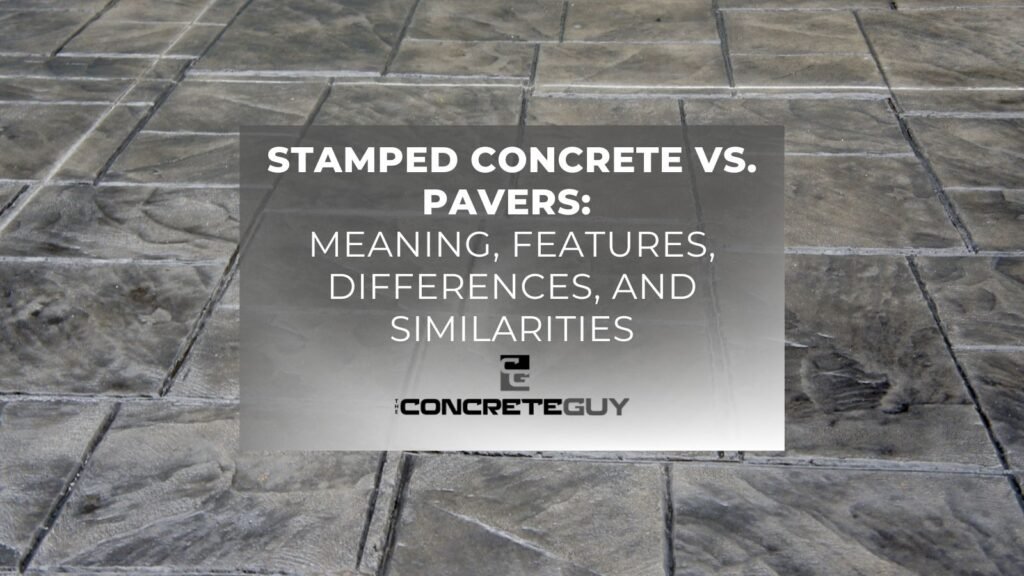
Stamped concrete and pavers are two of Minnesota’s most widely used surfacing options for driveways, patios, and walkways. Each of these offers unique advantages in appearance, performance, and cost. Stamped concrete delivers a seamless, decorative finish that mimics stone or brick at a lower price. On the other hand, pavers provide modular strength, easy repairability, […]
Dry Pouring vs. Wet Pouring: Meaning, Features, Difference, and Similarities
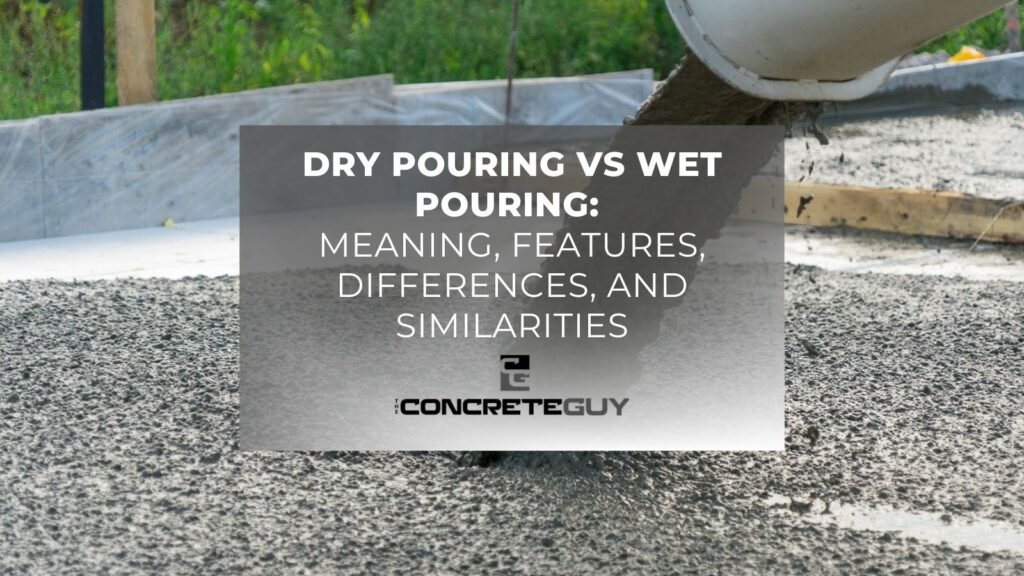
Dry pouring, also known as the dry-mix process, combines dry ingredients on-site and pneumatically projects them onto a surface using compressed air. Wet pouring, also known as the ready-mix process, pre-mixes cement, sand, aggregates, and water at a central batching facility. The features of dry pouring offer flexible mix adjustments and on-site modifications, making it […]
How to Dry Pour a Concrete Slab

To dry pour a concrete slab, the process involves placing dry concrete mix directly into the formwork and then adding water on-site to initiate hydration and curing. This technique offers greater control over water content, minimizes mixing inconsistencies, and ensures even performance when handled correctly. It’s commonly used for small-scale or non-structural projects that require […]
Concrete Curing: Meaning, Methods, How Long and How to

Concrete curing is one of the most crucial stages in achieving durable, high-performance concrete structures. It ensures proper hydration, strength development, and resistance to environmental stressors like freezing, abrasion, and moisture intrusion. The curing process involves maintaining the right balance of moisture and temperature through methods such as water curing, steam curing, and moisture-retaining covers. […]
How Long Does Concrete Resurfacing Last?

Concrete resurfacing typically lasts 10 to 15 years, depending on material quality, climate conditions, installation standards, and maintenance practices. In Minnesota’s freeze-thaw environment, where temperature swings and moisture infiltration cause up to 30% faster surface degradation than in milder regions, proper sealing and upkeep play a critical role in longevity. Resurfacing provides a durable overlay […]
Concrete Overlay Vs Asphalt Paving: Which Is Best?

According to the American Concrete Pavement Association, a concrete overlay, also known as a rigid pavement, consists of Portland cement concrete typically poured into slabs on a subgrade made of coarse-packed dirt. Asphalt paving, on the other is flexible and multilayered,d having different sublevels that give a springy and smooth pavement. These two paving options […]
How Thick Should a Concrete Driveway Be?

The ideal thickness for a concrete driveway depends on several engineering and environmental factors. Still, for most residential applications, a minimum of 4 inches (10 cm) is recommended to ensure proper load-bearing strength and longevity. Driveways that regularly support heavier vehicles, such as SUVs, RVs, or delivery trucks, should be built 5–6 inches (12–15 cm) […]
Top 5 Types of Polished Concrete Finishes
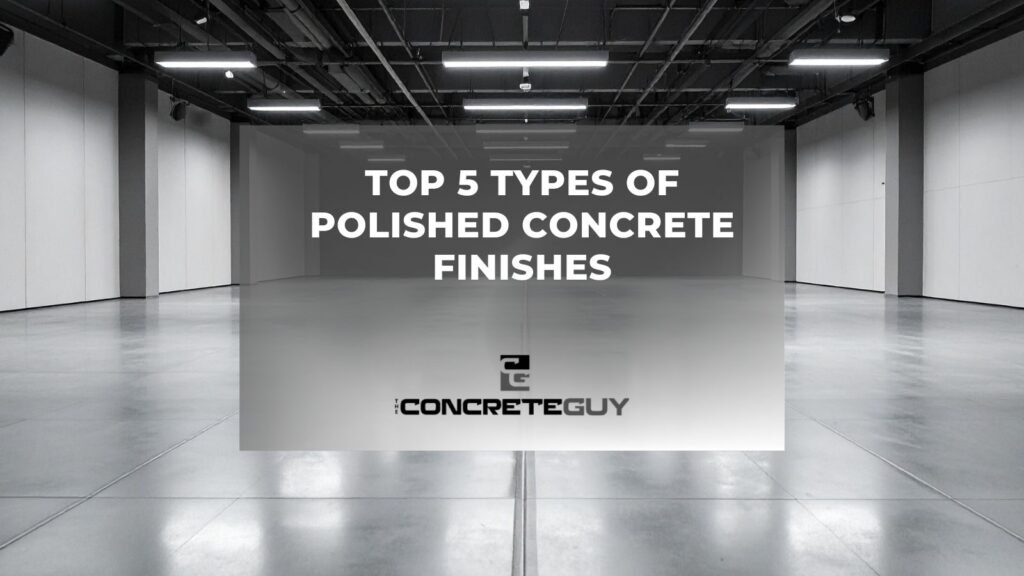
The top 5 types of polished concrete finishes include cream polish, salt and pepper finish, an aggregate exposure finish, and a decorative polished concrete finish. These types showcase the incredible versatility of this flooring system, combining strength, aesthetics, and long-term functionality in one solution. Each finish type, from subtle cream polishes to bold aggregate exposures, […]
Sealed vs. Polished Concrete Floors: Key Differences

Key differences between sealed and polished concrete floors lie in their finish, performance, and maintenance requirements. Sealed concrete floors are coated with a protective sealant that shields the surface from moisture, stains, and wear, offering a practical and cost-effective solution for both residential and commercial spaces. Polished concrete floors are mechanically ground, honed, and buffed […]
Epoxy Vs. Traditional Flooring: Why Industrial Clients Choose Epoxy
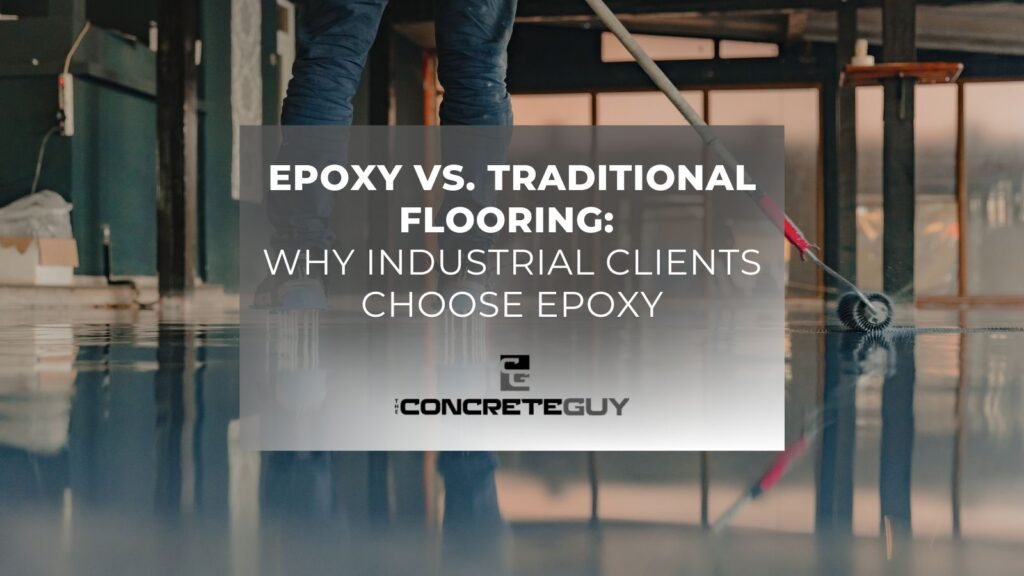
Industrial clients choose epoxy because it offers an unmatched balance of strength, safety, and long-term value compared to traditional flooring materials. Built to endure heavy machinery, high traffic, and chemical exposure, epoxy’s performance far exceeds that of wood, tile, or vinyl under industrial stress. Epoxy floors are seamless, non-porous, and have a finish that prevents […]
